
SEC TARRIF HIKES LOBBYING SHOWS POWER CANT BE INFLUENCED ONLY FROM OUTSIDE
It was refreshing to watch union leaders and representatives of banned political parties making submissions to the energy regulator against the proposed increase in electricity tariffs. Beyond the immediate issue of power prices, something more important was on display.
A growing section of civil society is beginning to understand that influence is built by engaging power, not by shouting endlessly at the margins. This is not an isolated moment. We have seen the same approach in the sustained pressure and lobbying that forced Parliament to pass the SODV Act. We saw it in coordinated lobbying of MP’s against increases in public transport fares. Now we see it again in the pushback against electricity hikes.
The lesson is simple and increasingly unavoidable. Policy is shaped where decisions are made, not where slogans are shouted. What is equally striking is that the state itself, often reluctantly, is beginning to accept this reality. Progressive voices are being drawn into formal spaces of decision making, sometimes through statutory obligation and sometimes through political necessity or sometime through the academic merit of those who think differently to the status quo.
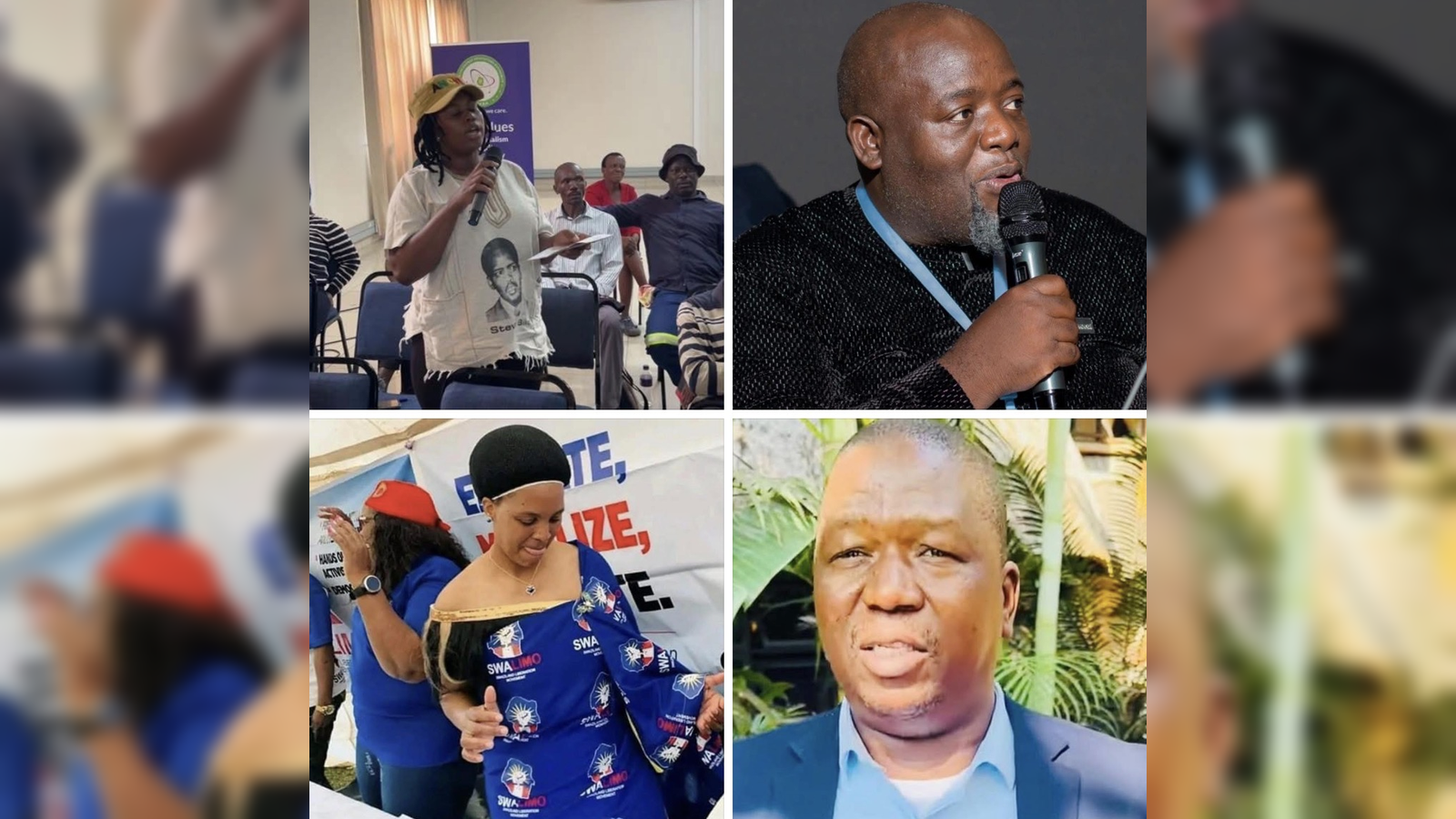
 Siphofaneni Member of Parliament Lazwide. Her party decided to join the elections.
The appointment of ATUSWA secretary general Wander Mkhonza to Pension Fund board, the inclusion of Mduduzi Gina on the SEC board, the placement of SWAYOCO activist Nontsetselelo Nkambule on the road safety transportation board, and the elevation of former TUCOSWA national organiser Vincent Dlamini to under secretary are not accidents. They are signals that even a closed system cannot entirely insulate itself from social pressure.
These appointment have also revealed the rapture within the opposition on how to respond to these developments. These appointments are routinely dismissed by some within the progressive movement as sellout posts. This is a profound political mistake.
 ATUSWA Secretary General Wander Mkhonza has been appointed into Pension Fund board
These are not acts of betrayal. They are acts of tactical positioning. They place opposition voices inside institutions where attitudes can be softened, policies influenced and, crucially, where the myth that progressives are enemies of the state can be dismantled from within.
The reflexive abuse directed at activists who enter these spaces says more about the insecurity of the movement than about the integrity of those individuals. Insulting them on social media, mobilising constituencies against them, and casting them into political exile only accelerates the fragmentation of an already weakened progressive camp.
 SWAYOCO Treasure Nontsetselelo Nkambule making a presentation against electricity hike. She sits in the road safety board.
Movements do not grow by purging their own. They shrink. This intolerance becomes even more incoherent when applied to electoral politics. What is the logic of condemning those who choose to contest elections and fight from within a deeply flawed system, if their stated aim is to reduce suffering, block regressive policies and advance progressive ideas even within the constraints of the system they abhor?
The moment some activists expressed interest in participating in elections, they were met with a torrent of insults, as if one organisation or tendency possesses the exclusive blueprint for dismantling tinkhundla. What followed was not a strategic debate but a moral crusade. Fighting inside institutions was framed as morally inferior to fighting outside them.
 PUDEMO’s Mphandlana Shongwe making a submission against SEC tarring hikes
Policy differences were elevated into questions of purity and betrayal. The result was predictable. Those outside Parliament failed to build sustained pressure, and those inside failed to win meaningful numbers. Everyone lost. We are now living with the consequences of that failure. The same people who insult anyone appointed to tinkhundla boards and structures will, without irony, lobby those very institutions and hope for sympathetic ears. This is not radical politics.
It is self isolation disguised as principle. Imagine today if a sympathetic voice was within the energy regulator? The cases of Maxwell Dlamini, Ntsetse and Mduduzi Gina illustrate a deeper crisis. Purist politics that treats any tactical detour as treason produces a small, ideologically pristine group with no influence in society. Moderates become disillusioned. Potential allies retreat.
Leadership fragments. The movement hollows itself out. Real change has never come from a single front. It comes from pressure outside and presence inside. It comes from protest and policy work. It comes from confrontation and negotiation. Whether in Parliament, on statutory boards, within regulatory bodies, or even advisory structures like Liqoqo, progressive voices must infiltrate and dominate those spaces.
 TUCOSWA Secretary General Mduduzi Gina. His appointment to SEC board caused controversy
By doing so they humanise power and slow down harm. Importantly they open cracks in rigid systems. If the struggle for change in eSwatini is serious about winning, it must abandon the politics of moral superiority and embrace the politics of influence.
Rigidity and isolating yourself from the people or institutions of power is self defeating. Infiltrating institutions of power is not capitulation. A movement that punishes its own for engaging the state is not protecting the revolution. It is ensuring its permanent marginalisation.