
INSIDE WATERFORD KA MHLABA: HOW ANONYMOUS INSTAGRAM PAGES, ADMINISTRATIVE SILENCE AND FEAR ARE RESHAPING A PRESTIGIOUS SCHOOL
For more than three years, Waterford ka Mhlaba, one of Southern Africa’s most respected international schools, has been grappling with a crisis unfolding largely beyond the classroom walls.
One Instagram page run anonymously, students and teachers have been subjected to sustained harassment, false accusations and public humiliation, raising troubling questions about safeguarding, leadership and accountability at the eSwatini institution.
Swazi Bridge spoke to current and former students who describe a culture in which online bullying has become both normalised and feared, with devastating personal consequences.
At one point one anonymous page would post names and invite people to talk about fellow students something that encouraged bullying and spread absolute false narratives and lies about students and teachers.
“Once your name was there, you were finished,” said one student who spoke to Swazi Bridge anonymously. In 2023, one such campaign targeted a school counsellor identified by students as Carla Cabrital. Posts circulated allegations and insinuations about her conduct. According to multiple students, the online attacks intensified over months.
This allegedly led to her leaving the school that same year. “She was supposed to help us,” a student said. “Instead, she became a victim herself. After she left, there was no proper counselling support at a time when things were getting worse.”
The harassment escalated in 2024 during examination season, when an Instagram account focused its attention on an entire grade. Students were accused of cheating without evidence. Others were ranked publicly based on appearance, labelled “ugly” or “pretty”.
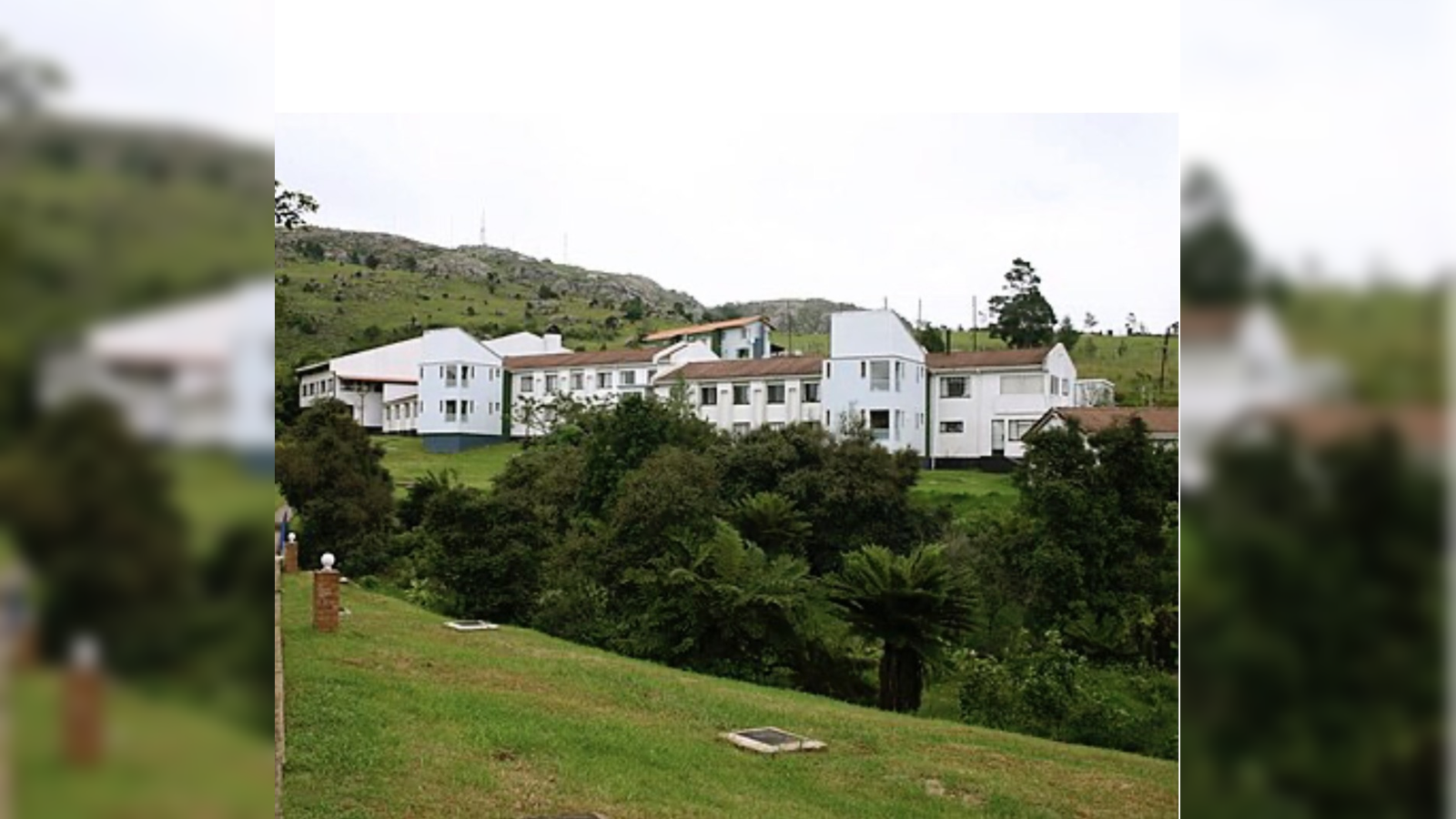
 An aerial view of Waterford KaMhlaba
Female students were subjected to sexually degrading posts that rated their bodies. “One post was literally about who had the biggest bum,” a student recalled. “Another post had a person’s name and invited people to talk about their flaws. Relationships were destroyed. Friendships ended overnight.” Several students said the psychological impact was severe.
Some stopped attending classes regularly. Others withdrew socially, fearing that anything they said or did could become fodder for the next post. It was against this backdrop that Waterford ka Mhlaba appointed a new Deputy Head of Pastoral Care in 2024, Nicole Gwindi, who joined the school from Zimbabwe.
Her arrival was seen by many as an opportunity for decisive intervention. Instead, students describe a response that felt dismissive. “She told us not to investigate, not to focus on it, and that she would deal with it,” one student said. “But nothing happened. No one was named. No one was held accountable. And students who were clearly not mentally okay were never checked on.”
Multiple sources told Swazi Bridge that despite knowing the likely identities behind the Instagram pages, the administration failed to act decisively, allowing the bullying culture to continue unchecked. In same period, Ms anllegedly introduced new safeguarding rules aimed at preventing inappropriate relationships between teachers and students.
While the policy was framed as a protective measure, students and staff say it had unintended consequences. “Teachers became afraid to talk to us,” one senior student said “You couldn’t have meaningful conversations anymore. Everything felt monitored and cold.” Some teachers, particularly from Europe, have since left the school.
 Waterford Principal
According to internal sources, this exodus has contributed to declining morale. “The learning environment changed,” a parent said. “When experienced teachers leave and relationships break down, academic performance suffers. That is just reality.” In 2025, trust between students and management was further eroded following a controversial expulsion involving alcohol on campus.
According to students familiar with the case, one pupil voluntarily came forward, cooperated fully with the school’s investigation and was assured by the school that they would not be expelled and that she would support them during disciplinary proceedings. “She promised the student they could stay,” a source said.
“Then she went back on her word and expelled them anyway.” Other students involved in the same incident, including those who allegedly brought alcohol onto campus, were reportedly sent home temporarily but allowed to continue their studies. Students allege the disparity in punishment was influenced by internal politics.

Beyond discipline and safeguarding, concerns have also been raised about student welfare, particularly food safety. Waterford ka Mhlaba uses Capitol Caterers to provide meals, but students and parents say the quality has deteriorated sharply.
“We have been served burnt food, raw food, and even food with plastic or glass shards. This is a school charging over E120,000 in fees,” complained another student. Workers employed by Capitol Caterers have reportedly raised concerns in October last year about poor working conditions, long hours and low pay. Students say the school has deflected responsibility, blaming the contractor rather than addressing oversight failures.
At the same time, Waterford ka Mhlaba has promoted ambitious plans to expand the campus, including the development of a Waterford Park, renovated hostels and a commitment to becoming carbon neutral by 2030. Students were briefed on these plans during a school assembly last year.
However, critics say the sustainability narrative rings hollow. “They talk about carbon neutrality, but they waste food daily,” a student said. “They refuse to give food out even when food could feed hundreds. It feels more like branding than values.”
Waterford ka Mhlaba has long marketed itself as a space for ethical leadership, global citizenship and holistic development. But for students living through the current climate, those ideals feel increasingly distant.
Swazi Bridge reached out to Waterford ka Mhlaba for comment. At the time of publication, no response had been received despite over two weeks of response time.